March 26, 2026
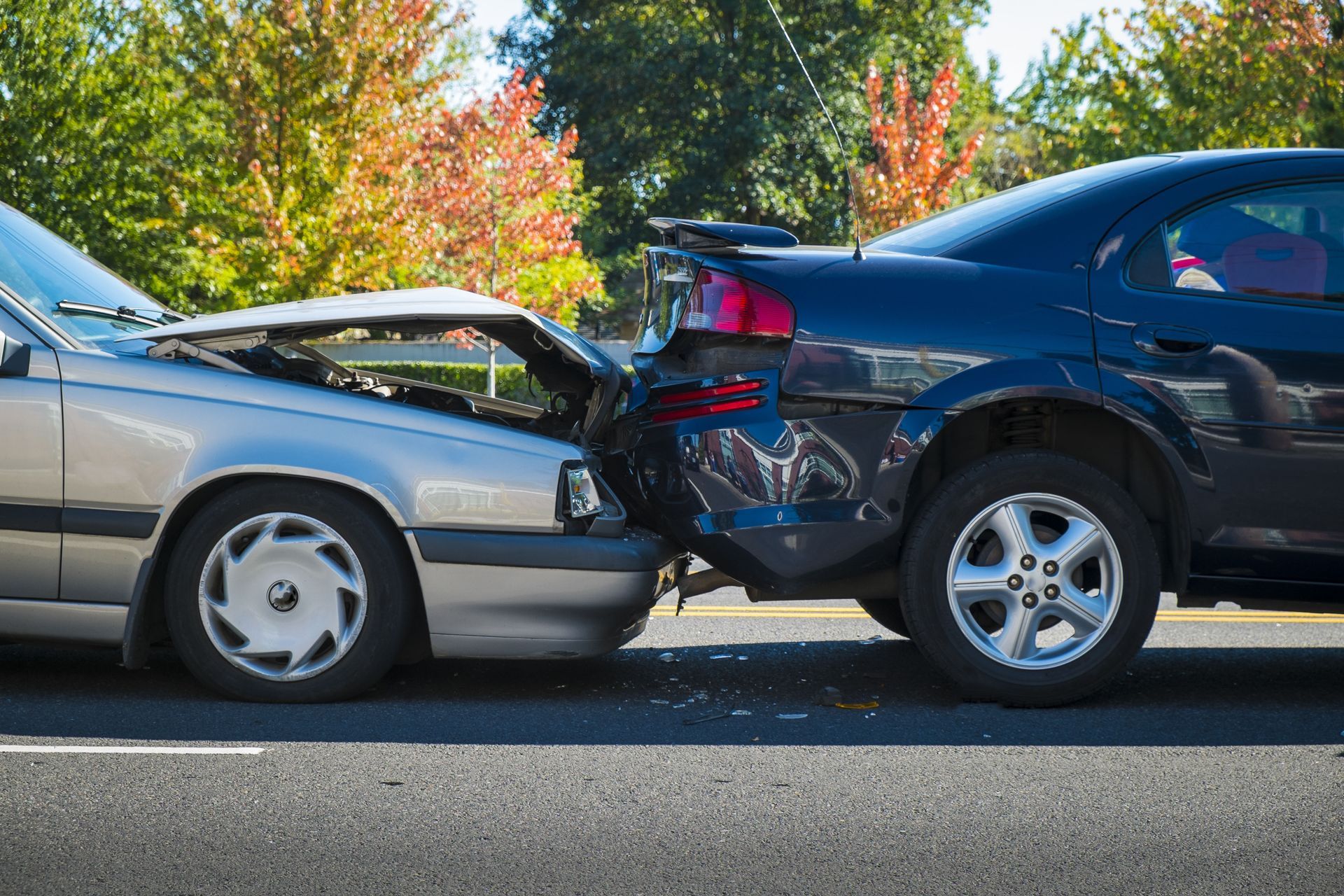
The automotive landscape has transformed dramatically over the last decade, shifting from purely mechanical machines to sophisticated computers on wheels. At the heart of this revolution is the Advanced Driver Assistance System, or ADAS. These systems include everything from your backup camera and blind-spot monitors to more complex features like automatic emergency braking and lane-keep assist. While these technologies are designed to keep you safe and prevent accidents before they happen, they introduce a significant layer of complexity when it comes to post-collision restoration. When your vehicle sustains even a minor bump, the delicate balance of these electronic safety nets is often disrupted. This is where specialized ADAS repair becomes the most critical part of your recovery process, ensuring that the technology meant to protect you hasn’t been rendered blind or confused by the impact.
Identifying Which Sensors Require Immediate Attention
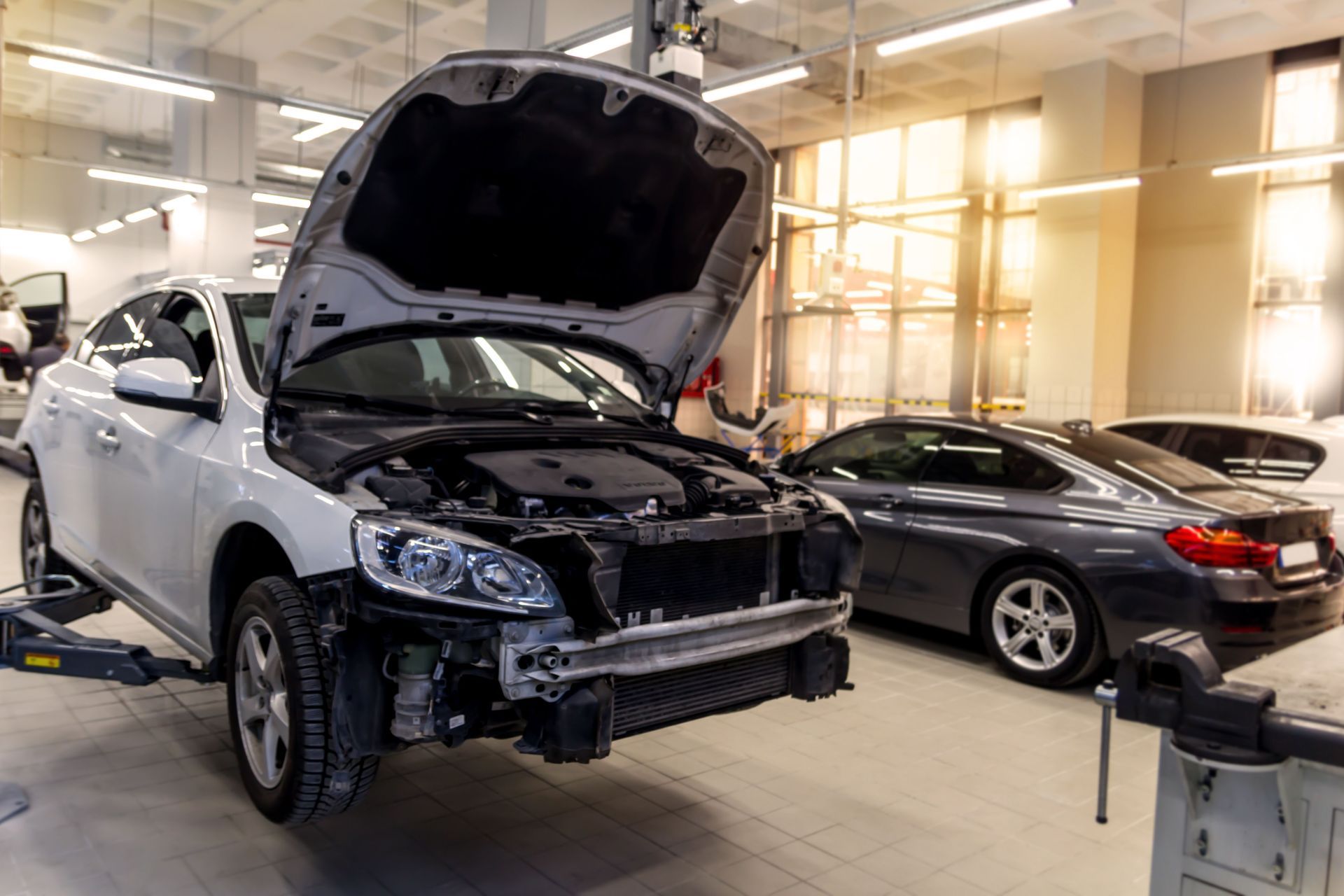
The first phase of restoring a high-tech vehicle involves a comprehensive diagnostic sweep that goes far beyond a visual inspection. Even if your car looks fine on the outside, the internal "nervous system" might be sending out silent distress signals. Technicians must use specialized scanning tools to communicate with the vehicle’s On-Board Diagnostics (OBD) system to identify fault codes related to the safety suite. This initial assessment determines whether a sensor has been physically cracked, a wiring harness has been pinched, or if a bracket has been bent out of its original factory alignment. Every component, from the long-range radar tucked behind the grille to the tiny cameras mounted near the rearview mirror, must be accounted for during the preliminary stages of ADAS repair to ensure no hidden issues linger.
The complexity of these systems means that damage isn't always located where the impact occurred. A rear-end collision can send a shockwave through the frame that disrupts the calibration of forward-facing cameras or side-impact sensors. This interconnectedness is why a professional shop doesn't just look at the point of contact but evaluates the vehicle as a holistic unit. During this evaluation, it's vital to remember that modern safety features rely on a "sensor fusion" process where data from multiple sources is combined to make split-second decisions. If one piece of the puzzle is missing or misaligned, the picture becomes distorted. Pinpointing these specific failures early in the process prevents future breakdowns and ensures that the subsequent calibration steps are targeted and effective for your specific make and model.
Aligning Frontal Sensors for Peak Performance
Once the physical repairs to the body and internal brackets are complete, the most technical phase of the process begins. This is the stage where the sensors are taught how to see the world again. Calibration is the process of precisely aligning the "field of view" for every camera and radar unit so they match the manufacturer’s original specifications. This is especially critical for the front of the vehicle, which bears the brunt of most road incidents. According to S&P Global Mobility, since more than 60% of collisions involve the forward portion of the vehicle, there is a heightened demand for precise recalibration of front-mounted ADAS cameras and sensors. Because the front of the car houses the most sensitive equipment for adaptive cruise control and collision avoidance, even a tiny error in the mounting angle can result in the car "seeing" an obstacle in the wrong lane.
There are two primary methods used during this phase of ADAS repair: static and dynamic calibration. Static calibration takes place in a highly controlled environment within the shop, using specialized targets, lasers, and level floors to reset the sensors while the vehicle is stationary. Dynamic calibration, on the other hand, requires the technician to drive the vehicle at specific speeds on well-marked roads so the onboard computer can "learn" its surroundings. Many modern vehicles actually require a combination of both methods to be fully certified as safe. This rigorous alignment process ensures that when your car’s computer thinks a pedestrian is ten feet away, they're actually ten feet away. Precision is the only acceptable standard when the goal is preventing a future collision.
Testing the Integrated Systems for Total Reliability
After the sensors are physically replaced and digitally calibrated, the job isn't quite finished. The next essential step is a rigorous validation process to ensure that all systems are communicating harmoniously. It isn't enough for a sensor to be "on"; it must be functioning within the specific parameters set by the automaker. Technicians perform post-repair scans to confirm that all trouble codes have been cleared and that the software is running the latest updates. This verification phase of ADAS repair serves as a final quality control check, mimicking real-world driving scenarios to ensure that features like blind-spot monitoring or rear cross-traffic alerts trigger exactly when they should.
A successful repair means the vehicle behaves exactly as it did the day it rolled off the assembly line. During the verification process, technicians check for "ghost" braking or intermittent warning lights that can sometimes occur if a calibration wasn't perfectly executed. By using advanced diagnostic software, the team can view real-time data streams from the sensors to see exactly what the car is seeing. If any discrepancies are found, the calibration process is repeated until the data is flawless. This level of scrutiny is what separates a standard body shop from a specialized electronic repair facility.
Finding the Right Professionals for Technical Service
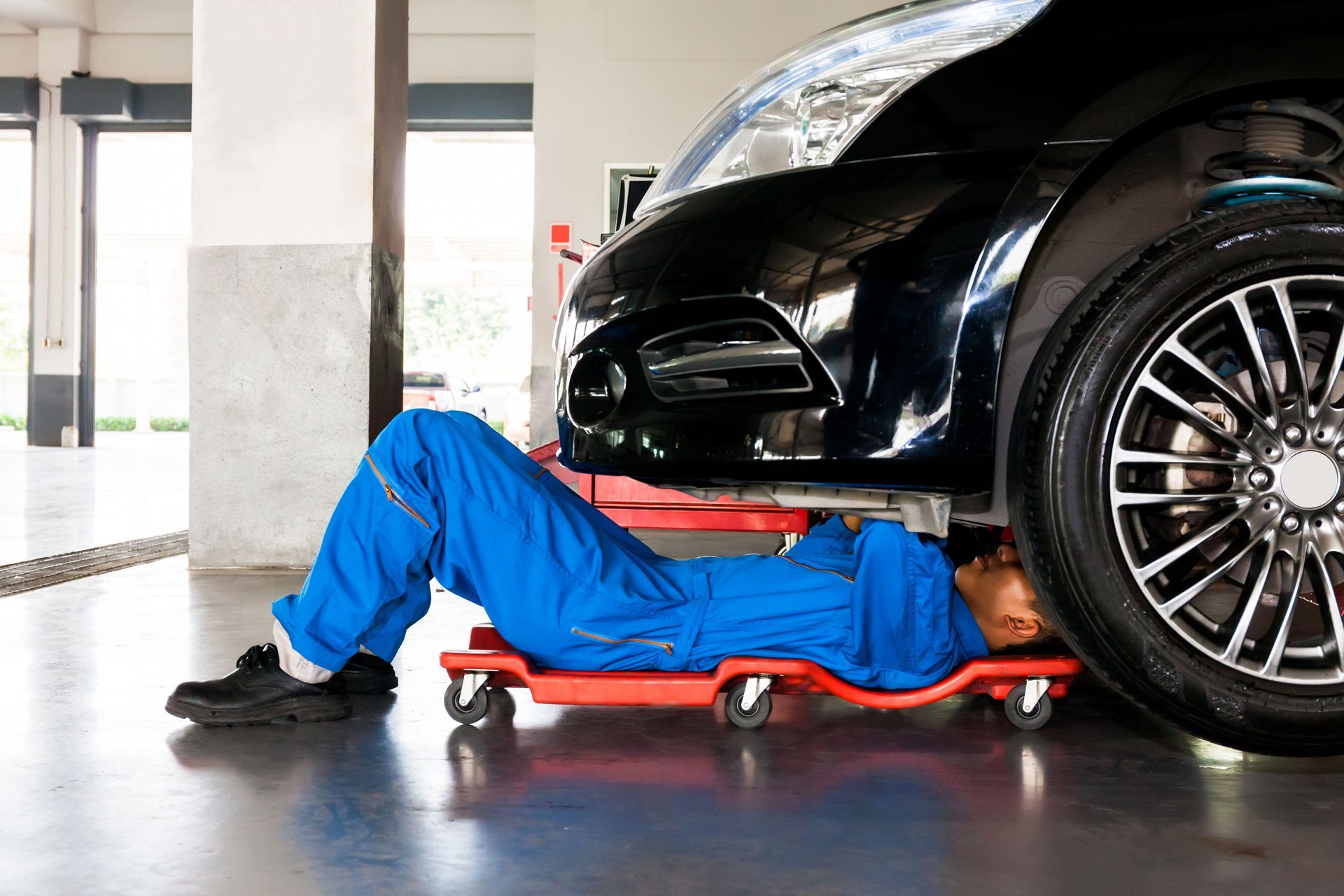
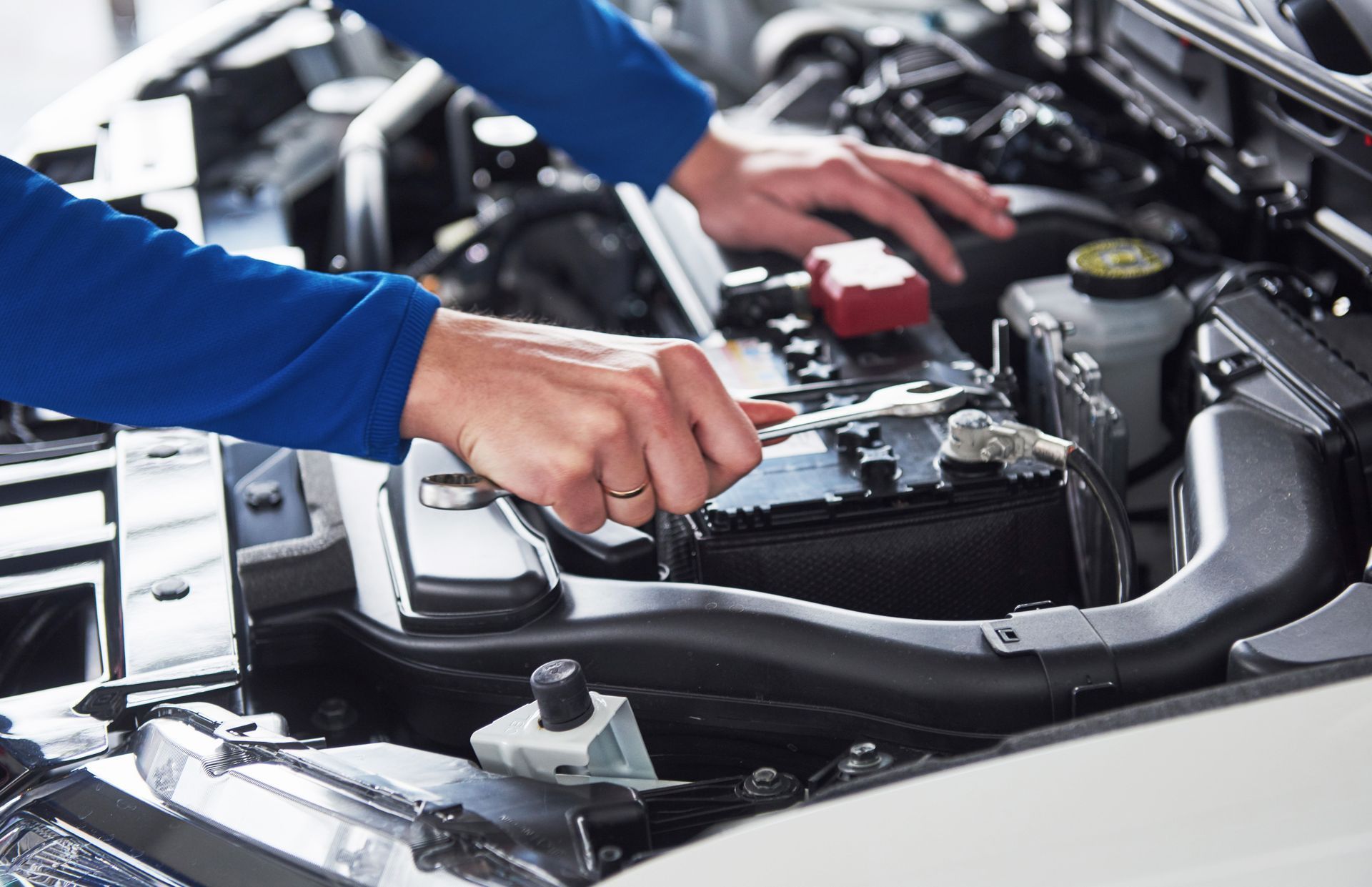
Not every repair shop is equipped to handle the intricacies of modern vehicle electronics. Effective ADAS repair requires a massive investment in specialized equipment, ongoing technician training, and a controlled workspace that meets strict environmental standards. For instance, something as simple as a floor that isn't perfectly level or a room with too much sunlight can interfere with the sensitive lasers used during calibration. When you're looking for a partner to restore your vehicle, you need a team that understands the intersection of mechanical repair and digital precision. You aren't just looking for a mechanic; you're looking for an electronics specialist.
Choosing a local expert ensures that your vehicle is being handled by people who stay at the forefront of automotive technology. As cars become more autonomous, the margin for error shrinks to nearly zero. Entrusting your safety to a shop that skips the calibration step or uses substandard equipment puts you and your passengers at risk. A professional facility will always provide you with a detailed report of the calibration results, proving that your systems have been returned to factory standards. By prioritizing expertise and precision, you ensure that your car remains a protective bubble for years to come.
The conclusion of a collision repair journey should always end with a feeling of total security. When the ADAS repair is handled correctly, you can pull out of the shop knowing that your lane-keep assist won't tug the wheel unexpectedly and your emergency braking will be there when you need it most. These systems were designed to be your silent co-pilots, and their restoration is the final bridge between a damaged car and a functional vehicle. While the technology behind the scenes is incredibly complex, the goal is simple: to keep you and your family safe. Understanding the importance of these calibrations helps you appreciate the hidden work that goes into modern collision repair, moving beyond the surface to the very core of your car’s intelligence. For expert assistance with your vehicle's electronic safety systems, you should contact Andy’s Auto Electric today.